Gardeners in Calne are being encouraged to make small changes to their outdoor spaces to help support wildlife as the growing season begins.
The Royal Horticultural Society says simple steps such as planting pollinator-friendly flowers, reducing pesticide use and leaving parts of gardens undisturbed can have a significant impact.
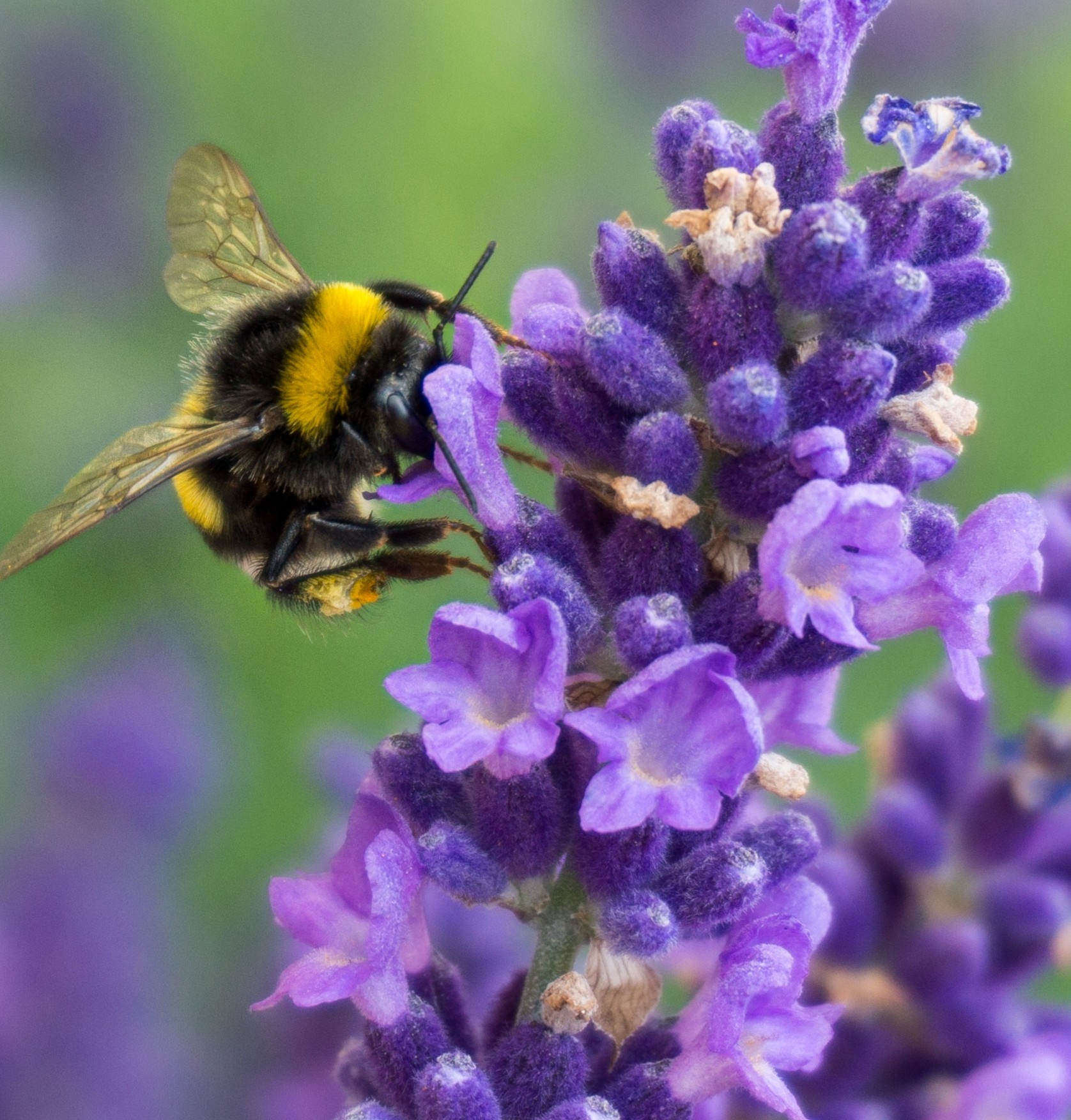
Insects such as bees and butterflies rely on gardens for food and shelter, particularly in urban and suburban areas where natural habitats may be limited.
Experts say even small additions can make a difference. A shallow “bee bath” - created using a dish of water filled with pebbles or stones or even marbles - gives pollinators a safe place to drink without the risk of drowning.
Container planting is another easy way to help. Pots filled with lavender, marjoram or salvia can provide a rich source of nectar, even in smaller gardens, patios or balconies.
Features such as log piles, patches of long grass and small water sources can also create valuable habitats for a range of species.
Even the smallest outdoor spaces can play a role in supporting biodiversity, with wildlife-friendly gardening becoming increasingly popular across the UK.
HOW TO: Create a bee-friendly garden at home
Supporting pollinators doesn’t require a big garden — just a few simple additions can make a real difference.
Make a bee bath
Use a shallow dish filled with water and add pebbles or stones so bees can land safely and drink without drowning. Place it in a sunny, sheltered spot and top up regularly.
Choose nectar-rich plants
Opt for easy, bee-friendly plants such as lavender, marjoram or salvia. These can be grown in pots, borders or window boxes and will attract pollinators throughout the warmer months.
Plant in groups
Clustering the same plants together makes it easier for bees to find and feed efficiently.
Avoid pesticides
Reducing or eliminating chemical use helps protect bees and other beneficial insects.
Leave some areas undisturbed
Allowing a patch of grass to grow longer or leaving logs and natural debris can create valuable habitats.
Want to know what’s on in Calne? Visit our local events page for listings and to find out how to add your own events for free. Follow us on Facebook, X, TikTok and Instagram to keep up with all the latest news. Have you got a story for us? Email editor@calnenews.com or contact us here.