

After introducing Calne to some of the extraordinary sights visible in the night sky in our first “Looking Up” feature, local stargazer Matthew Terrell is back with another remarkable image - this time, he has captured a stellar explosion taking place around 40 million light-years from Earth.
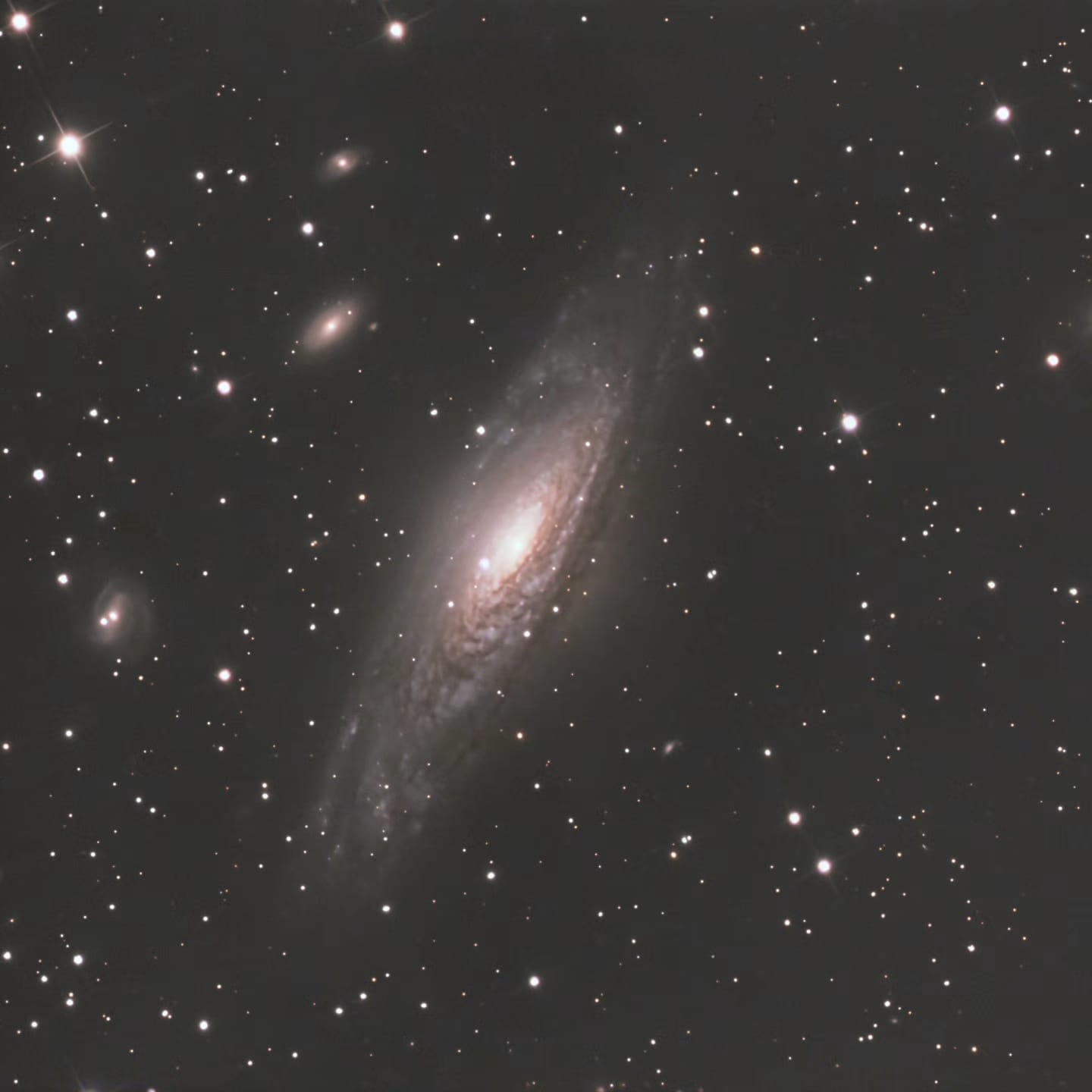
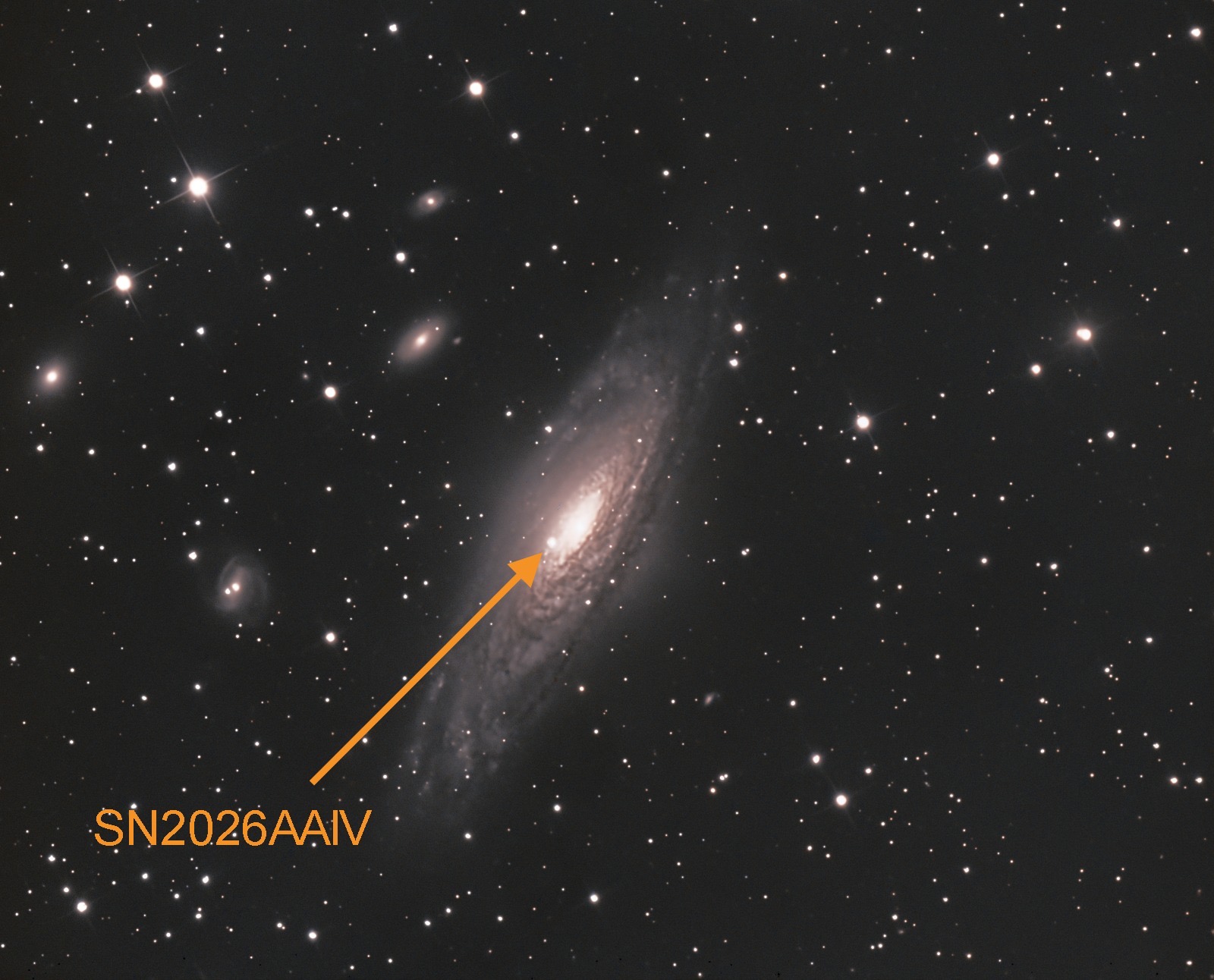
Matthew’s latest target is NGC 7331, a spiral galaxy in the constellation of Pegasus and part of the Deer Lick Group. Within the galaxy is SN2026AAIV, a Type Ia supernova whose extraordinary brightness means the explosion can outshine all the other stars in its host galaxy.
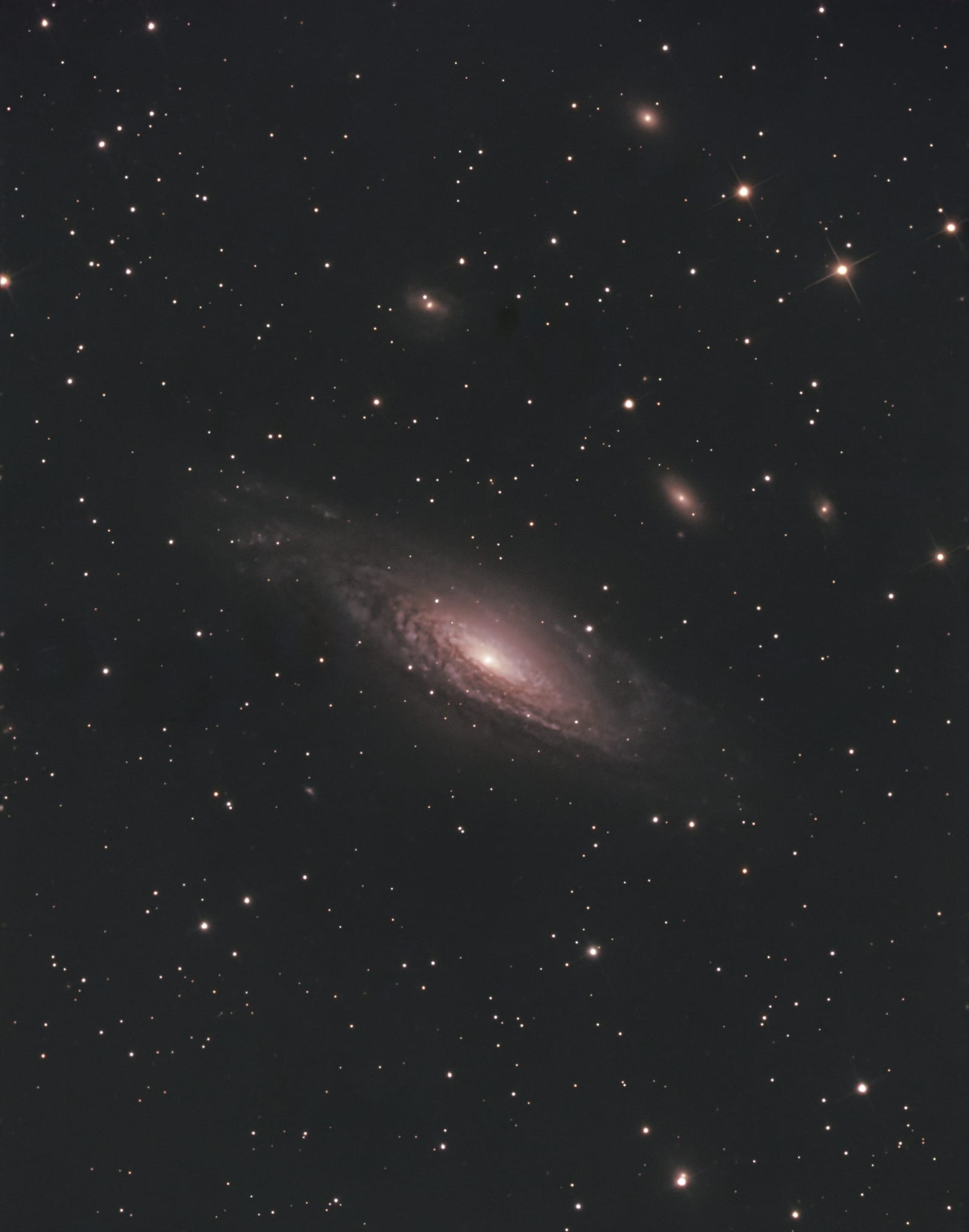
The images were captured from Calne over around 10.5 hours, with Matthew taking a second image approximately two weeks later to show the difference caused by the appearance of the supernova.
A supernova is the dramatic explosion of a star, but SN2026AAIV is a particular type known as a Type Ia supernova.
These occur when a white dwarf - the dense remnant left behind after a star such as our Sun reaches the end of its life - pulls material from a neighbouring star. As material builds up on the white dwarf, it can eventually become unstable, triggering an enormous thermonuclear explosion.
Despite the incredible distance involved, the explosion is bright enough to be picked up by telescopes here on Earth.
Type Ia supernovae are also particularly important to astronomers because their brightness is well understood. This means they can be used as what are known as “standard candles”.
By comparing how bright a supernova actually is with how bright it appears from Earth, astronomers can calculate how far away it is. In this case, NGC 7331 is around 40 million light-years away - meaning the light captured by Matthew began its journey towards Earth around 40 million years ago.
The two images below were taken approximately two weeks apart, showing SN2026AAIV appearing within NGC 7331. Both were captured from Calne by Matthew Terrell.
But the distant galaxy wasn't Matthew’s only target.
Saturn is currently rising nice and early in the evening and climbing relatively high in the sky, providing another spectacular sight for anyone looking up.
The planet will reach opposition on 4th October, when it will be at its brightest and visible throughout the night. Opposition occurs when Earth lies directly between the Sun and the planet, meaning Saturn is opposite the Sun in our sky.
Matthew’s image of the planet also captures one of its most famous features - the Cassini Division, the prominent gap visible between Saturn’s rings.
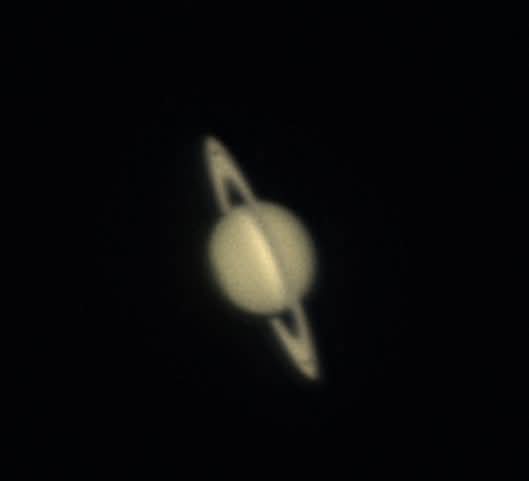
This image was taken from Calne using a 127mm Maksutov-Cassegrain telescope.
Want to know what’s on in Calne? Visit our local events page for listings and to find out how to add your own events for free. Follow us on Facebook, X, Instagram and TikTok to keep up with all the latest news. Have you got a story for us? Email