

Ever wondered what you can see in the night sky from your own back garden? For Calne resident Matthew Terrell, that question has led to a lifelong passion for astronomy.
From a childhood telescope to a computer-controlled observatory in his garden, Matthew has come a long way since he first looked at the stars.
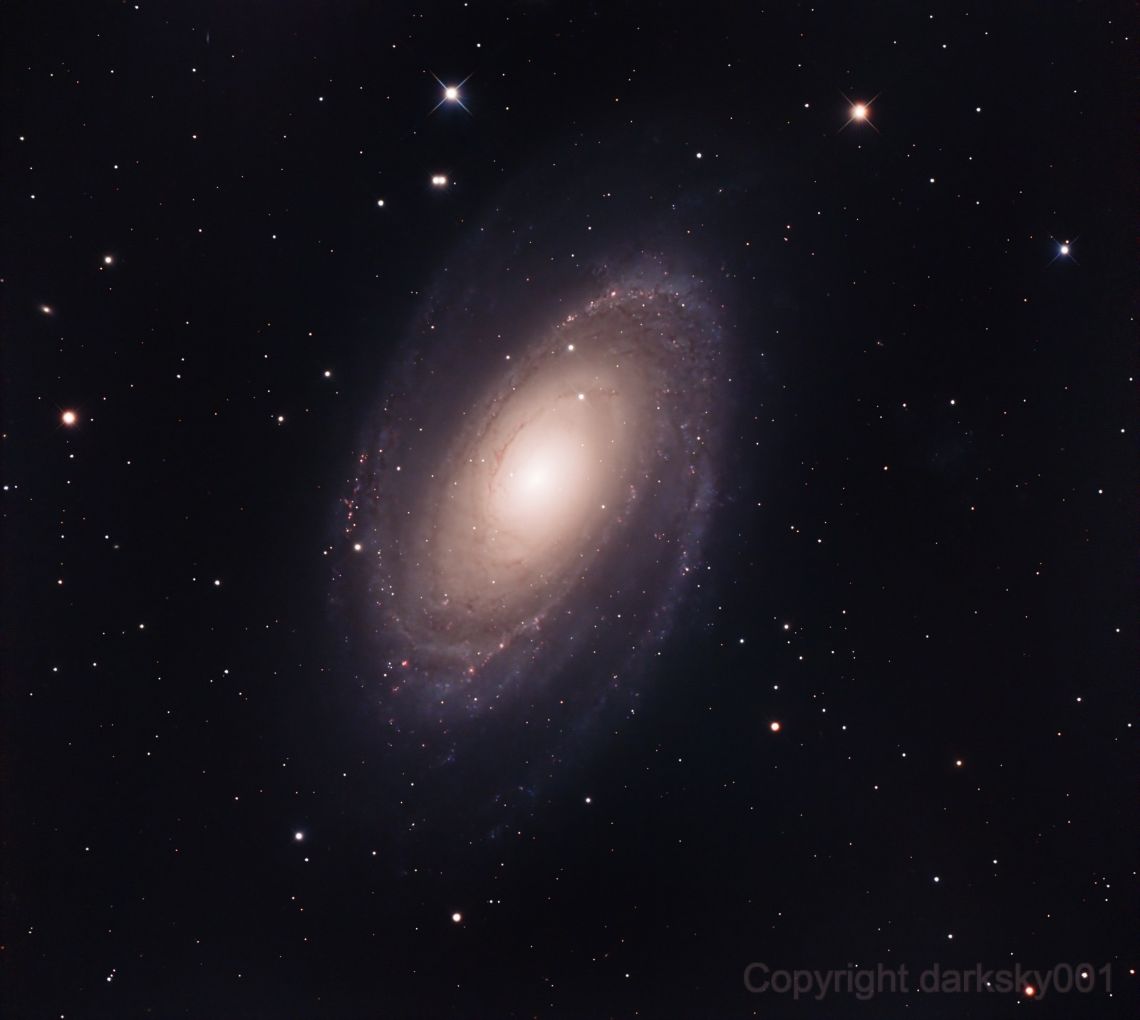
And these days, his telescope isn't just being used to look at the Moon and planets. It is capturing images of galaxies millions of light years away.
One of his latest photographs (see below) is of IC342, also known as the Hidden Galaxy - a spiral galaxy around 10 million light years from Earth.
It took more than 13 hours to capture, all from his back garden in Westerham Walk.
But Matthew's interest in astronomy began much closer to home.
A childhood fascination
Matthew, who has lived in Wiltshire since around 2004, grew up with an 80mm Tasco telescope.
He remembers seeing Saturn, Jupiter and even the Sun through it, although the homemade-looking green solar filter used for that particular experience is something he certainly wouldn't recommend today.
Astronomy eventually slipped into the background, but years later it returned during a difficult time for his family.
His late father-in-law had been diagnosed with terminal pancreatic cancer and Matthew was staying with him, along with his young son.
With a young child to occupy during what was an increasingly difficult period, the family had worked their way through Thomas, Chuggington and the other usual distractions.
Eventually, they looked up.
For Matthew, it brought back memories of sitting in the garden with his own father and looking at the stars.
A few YouTube videos led to another telescope, and this time the interest stayed.
His son is now 18 and has, understandably, found other things to occupy his time. Matthew, however, kept looking up.
“It’s my happy place,” he says.
A telescope that does the hard work
The equipment in Matthew's garden is now a far cry from his childhood Tasco.
His roll-off-roof observatory houses a 10-inch computer-controlled telescope which has been there for around five years.
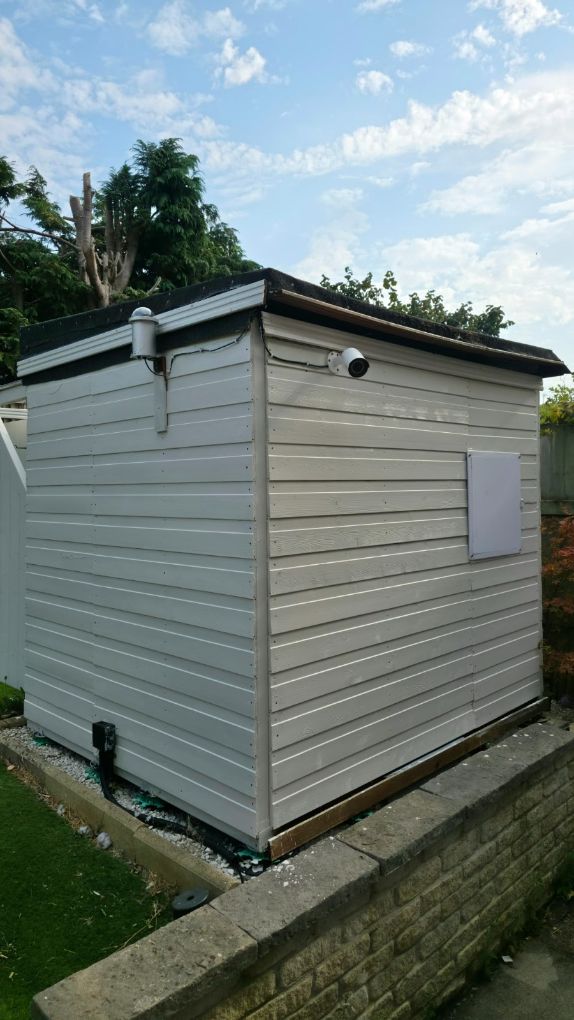
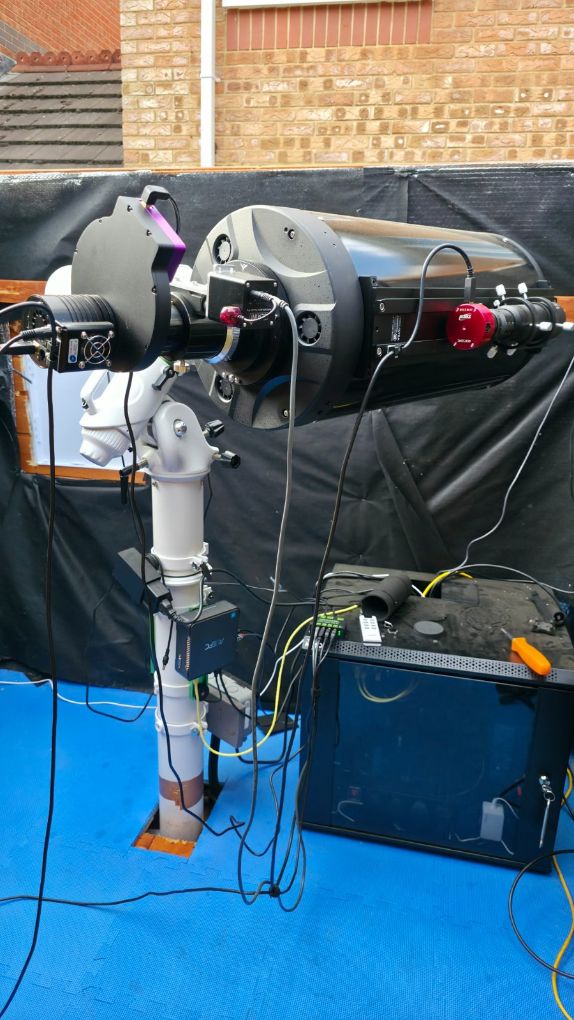
It might sound like astronomy involves standing outside for hours in the cold, staring through an eyepiece, but much of Matthew's work happens before the observing session even begins.
He needs to know what the weather is doing, how long it will be dark, which objects will be visible and what equipment will be needed.
Once everything is planned, the telescope can get on with the job.
The camera is cooled to around -10°C, the telescope moves between the chosen targets, centres them, focuses and begins collecting light.
It can continue through the whole schedule before parking itself at the end of the night.
There is, however, one task it hasn't mastered.
Closing the observatory roof.
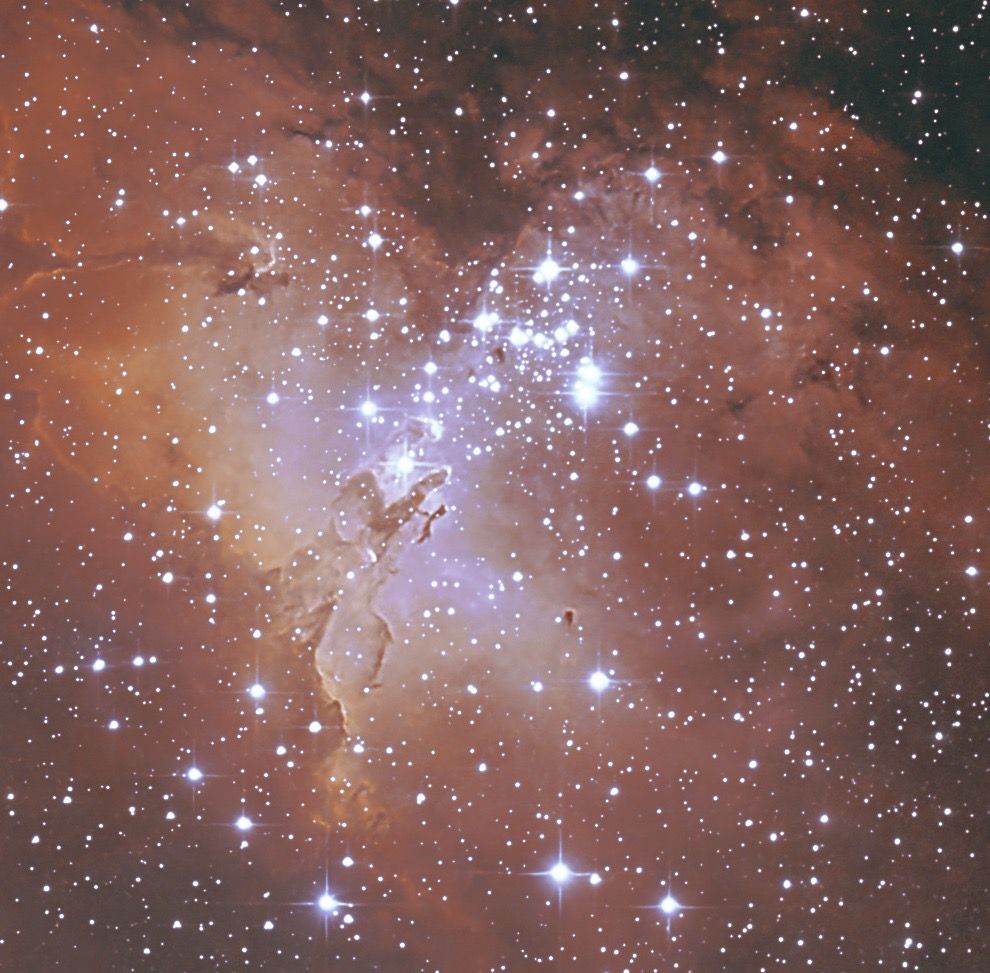
Eagle Nebula
Millions of years in the making
For anyone used to seeing spectacular, colourful photographs from the Hubble Space Telescope, the reality of looking through a telescope can be quite different.
A distant galaxy may initially appear as little more than a faint smudge.
But that faint smudge is carrying a remarkable story.
The light arriving at the telescope may have travelled for millions of years before reaching Earth, passing through dust and gas and being influenced by stars and gravity along the way.
That is part of what makes astronomy so compelling for Matthew.
Despite having the technology to produce detailed photographs, he still believes telescopes are meant to be looked through.
He has built up something of a telescope collection and thinks seeing the planets through a large telescope is something everyone should experience at least once.
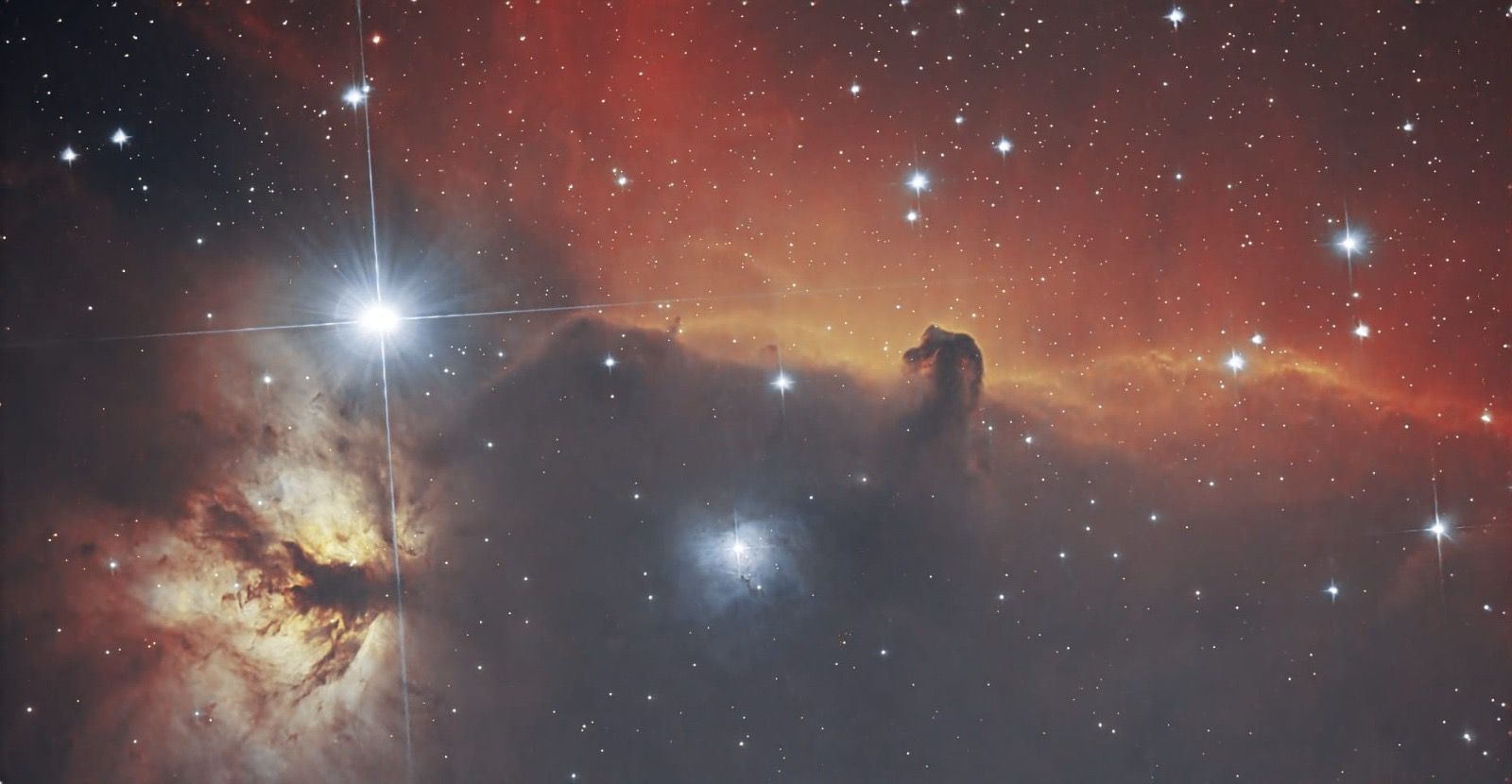
The Horse Head Nebula
Looking up from Calne
Being in a town does bring its challenges.
Light pollution around the outskirts of Calne is increasing, and there is only so much that filters can do.
Fortunately, Matthew says having good neighbours helps keep the area around his observatory relatively dark.
There are also plenty of things in the sky that weren't there when he first became interested in astronomy.
Starlink and other satellites can leave trails across his photographs. They can generally be removed during processing, although for now they remain more of an irritation than a major problem.
Matthew is a member of the Wiltshire Astronomical Society and the Friends of the Blackett Observatory in Marlborough.
And his garden observatory means he doesn't have to travel to a remote location to explore the night sky.
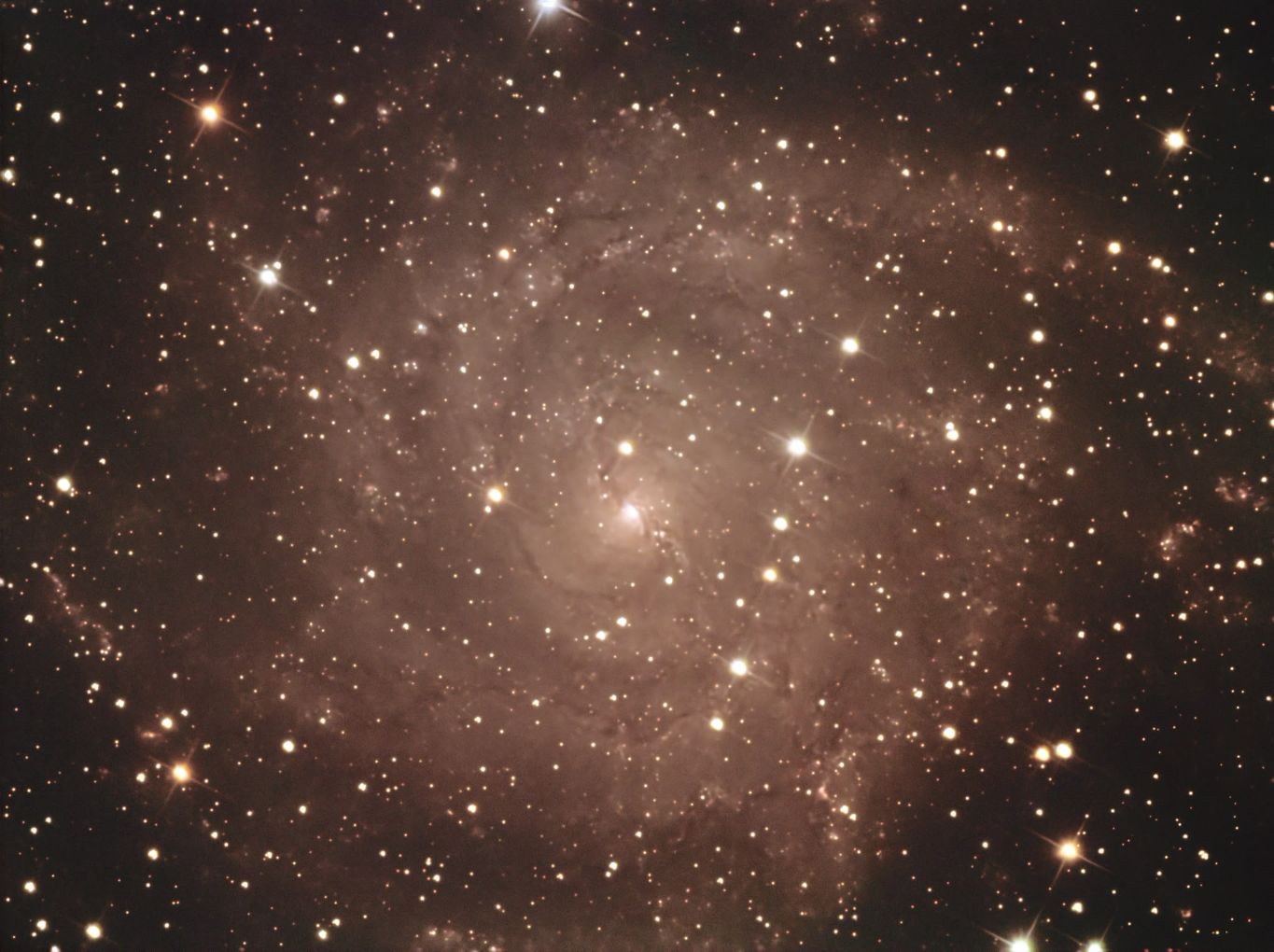 The Hidden Galaxy
That brings us back to IC342.
The galaxy is around 10 million light years away, but it isn't particularly easy to see from Earth.
The reason is the dust in our own Milky Way, which sits between us and IC342 and obscures much of the galaxy's light.
Hence its nickname - the Hidden Galaxy.
Capturing it took more than 13 hours of imaging, all from Matthew’s back garden in Westerham Walk.
It’s a pretty impressive result when you consider that the galaxy is around 10 million light years away.
Want to know what’s on in Calne? Visit our local events page for listings and to find out how to add your own events for free. Follow us on Facebook, X, Instagram and TikTok to keep up with all the latest news. Have you got a story for us? Email editor@calnenews.com.