


Patients in Calne and across Wiltshire have reported delays and difficulties accessing NHS community healthcare services provided by HCRG Care Group, including missed callbacks and problems with referrals.
The company, which took over responsibility for more than 130 community health and care services across Wiltshire, Swindon and Bath and North East Somerset in April 2025, has come under increasing scrutiny over the way those services are being delivered.
One of the main concerns is the Single Point of Access (SPA), introduced by HCRG in April this year to provide one central contact point for patients and professionals making referrals or seeking help.
However, patients have reported lengthy waits on the telephone, missed callbacks and referrals that appear not to have reached the right clinical teams.
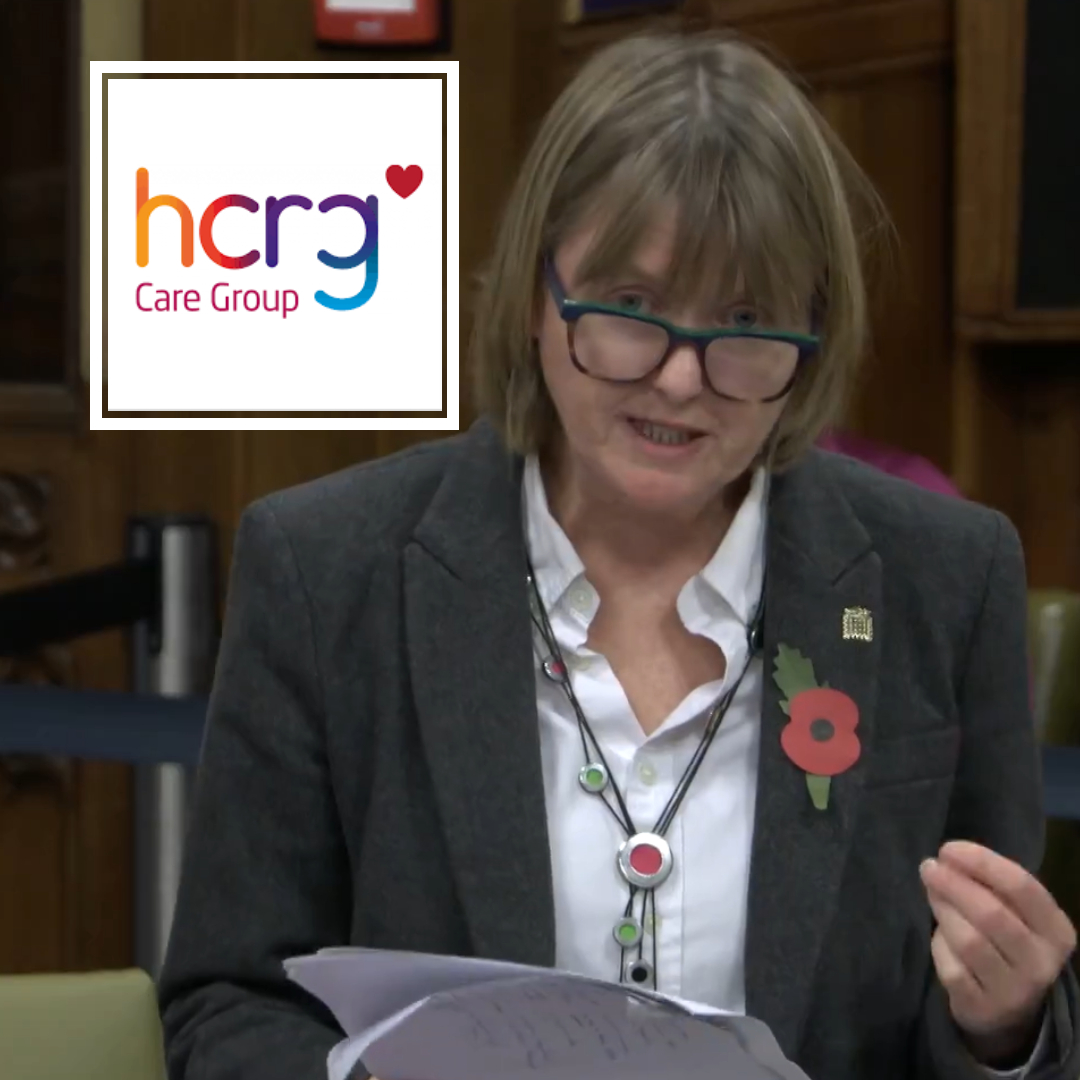
The problems were raised in a Westminster Hall debate on 28th October, secured by Chippenham MP Sarah Gibson, who said she had received repeated complaints from patients, carers and healthcare professionals.
Among the cases she highlighted was a Calne resident who spent a week making telephone calls, leaving messages and sending emails in an attempt to secure a podiatry appointment. Eventually, they went to HCRG's offices in person to try to get the appointment arranged.
Another Chippenham resident waited an hour to get through to the Single Point of Access and was promised a callback, which did not arrive until the following day.
The concerns go beyond difficulties getting through on the phone.
During the debate, Sarah Gibson told MPs about reports from community nurses of patients approaching the end of life being left in pain because referrals had not reached the appropriate team.
She also described a case involving a patient with severe leg wounds whose daughter had contacted the service twice over a weekend without receiving help. By the time a nurse arrived, the patient had resorted to wrapping plastic bags around their legs to contain leaking dressings.
Concerns were also raised about delays to post-operative physiotherapy, wheelchair services and the pressures facing frontline staff.
One Calne constituent had reportedly been supplied with an unsuitable wheelchair without being properly measured, while a Chippenham resident was waiting for a replacement wheelchair battery and updated seating, affecting their ability to attend college.
Staff had raised concerns about increasing caseloads, vacancies and the loss of experienced employees and dedicated administrative support.
One nurse told the debate that their daily visits had increased from around 10 to 15, while another described seeing 14 patients during a shift that overran by 90 minutes.
Sarah Gibson called for greater transparency over how HCRG's services are performing, including the publication of comparable figures for telephone waiting times, callbacks, referral processing, complaints and patient outcomes.
She also questioned whether there should be further independent scrutiny of the company's Wiltshire services.
Responding, Minister for Secondary Care Karin Smyth said the Bath and North East Somerset, Swindon and Wiltshire Integrated Care Board (ICB), which manages the contract, was increasing its oversight of HCRG and bringing the provider and wider health system together to support improvements.
She acknowledged concerns about delays, callbacks and referrals, and said the ICB was committed to involving patients, carers, local communities and staff in the work.
The minister also addressed concerns about changes to Hospital at Home services, saying the ICB had assured her there were no plans to reduce capacity or withdraw the service. Sarah Gibson disputed that statement during the debate.
An HCRG Spokesperson told Calne News: “Our teams deliver around 25,000 community healthcare appointments every week across Bath and North East Somerset, Swindon and Wiltshire, while introducing a fundamentally different way of providing these vital NHS services.
“The Single Point of Access is not a call centre. It is a new system for assessing patients’ needs, prioritising referrals clinically and arranging appointments and care. Previously, individual services largely managed their own referrals and appointments. Now, people can seek help by telephone, email or online, with trained staff reviewing their needs and involving clinicians to ensure they receive the most appropriate care.
“When the new system was introduced in April, there were difficulties with telephone waiting times and referral processing. We acknowledged those problems, apologised to patients affected and took action to address them.
“Nearly seven months later, the service is very different. We have strengthened staffing, cleared the referral backlog and reduced average telephone waiting times to around three minutes. Referrals are now being processed within normal timescales. It would be misleading to suggest that the difficulties experienced at launch reflect how the service operates today.
“However, there will still be times when we don't meet people's expectations. We are sorry when this happens and encourage anyone unhappy with the service they receive to contact us. We are listening, and we want the opportunity to put things right and learn from their experiences.
“We welcome scrutiny from our NHS commissioners and local MPs, with whom we have met and continue to engage. We share their determination to ensure local people receive good community healthcare.
“As we approach winter, we want to thank the colleagues delivering these services every day. Their dedication, alongside feedback from patients and families, is central to maintaining and improving the care local people receive.”
In response to questions about the enhanced surveillance and rapid quality review, an HCRG press office spokesperson said these were matters for the ICB rather than the provider. HCRG said it supports the ICB in accessing all the information it needs and welcomes any reviews it carries out.
In an update on 3rd November, Sarah Gibson said she had been told at a meeting with NHS leaders that the Single Point of Access was now subject to enhanced surveillance following a rapid quality review.
She described this as a welcome step, but said it must lead to meaningful improvements for patients.
Want to know what’s on in Calne? Visit our local events page for listings and to find out how to add your own events for free. Follow us on Facebook, Twitter and Instagram to keep up with all the latest news. Have you got a story for us? Email editor@calnenews.com.