Each month, Calne-based garden designer Alex Heath shares expert advice in our regular gardening column. As the creative force behind Sulis Design Ltd, Alex specialises in low-maintenance, climate-resilient planting and thoughtful garden lighting, helping readers create outdoor spaces that are both practical and enjoyable all year round. Expect seasonal tips, simple ideas and sustainable inspiration for gardens of all sizes.
by Alex Heath
After a break away during February for work, it is time to pick up the garden tools again and have a look at the various tasks that can be completed in March.
March brings with it increasing light levels, warmer days and fairer weather but be mindful of the colder nights. Depending on what you are growing, it may still be a little too early to unwrap your delicate plants or propagating seedlings. Whilst it might seem hard to do, waiting and preparing is better than starting too early and being disappointed that the cold delays or prevents plants from growing.
It is time to think about a spring clean and tidying up borders, pots and general areas. Much like us enjoying the increasing warmer weather, the overwintering invertebrates and birds are less likely to need the longer stems of grasses and herbaceous perennials to overwinter and feed from. Personally, I do a 50:50 chop where I tidy some areas and then allow other areas to be a little scruffy for the wildlife until its reliably warm. It is a happy balance, where the front garden looks neat and tidy, with the back garden sustaining birds and insects. I can enjoy the garden without always thinking about tasks.
Consider trimming back herbaceous perennials to get light into their bases and also make way for the new growth to grow unimpeded. The removal of old stems also allows you to find early weed growth of couch grass and bindweed and get on top of them before they start. If you have space between plants, try and remove the growth but be careful not to break the weeds into lots of pieces as each piece will become a new plant.
During this process garden hygiene is a key point to remember. If you are digging and cutting, ensure that you are keeping pernicious weeds out of your own compost mix and either burn them, or put them in the garden waste bins collected by the council. The industrial composting process breaks the weeds down more effectively than using compost heaps or bins at home.
Removing diseased waste from your garden is also key, especially with hard to control pests and diseases such as blackspot and box blight. In these instances, it is important to control the problem early and not let it spread. As the climate changes and the weather warms, pests and diseases will become more prevalent so having good hygiene practices will prevent diseases spreading across the country. If walking around Calne, you can see that many box hedges have succumbed to box blight or are showing signs, they have infection, and once it has become established it is incredibly difficult to control.
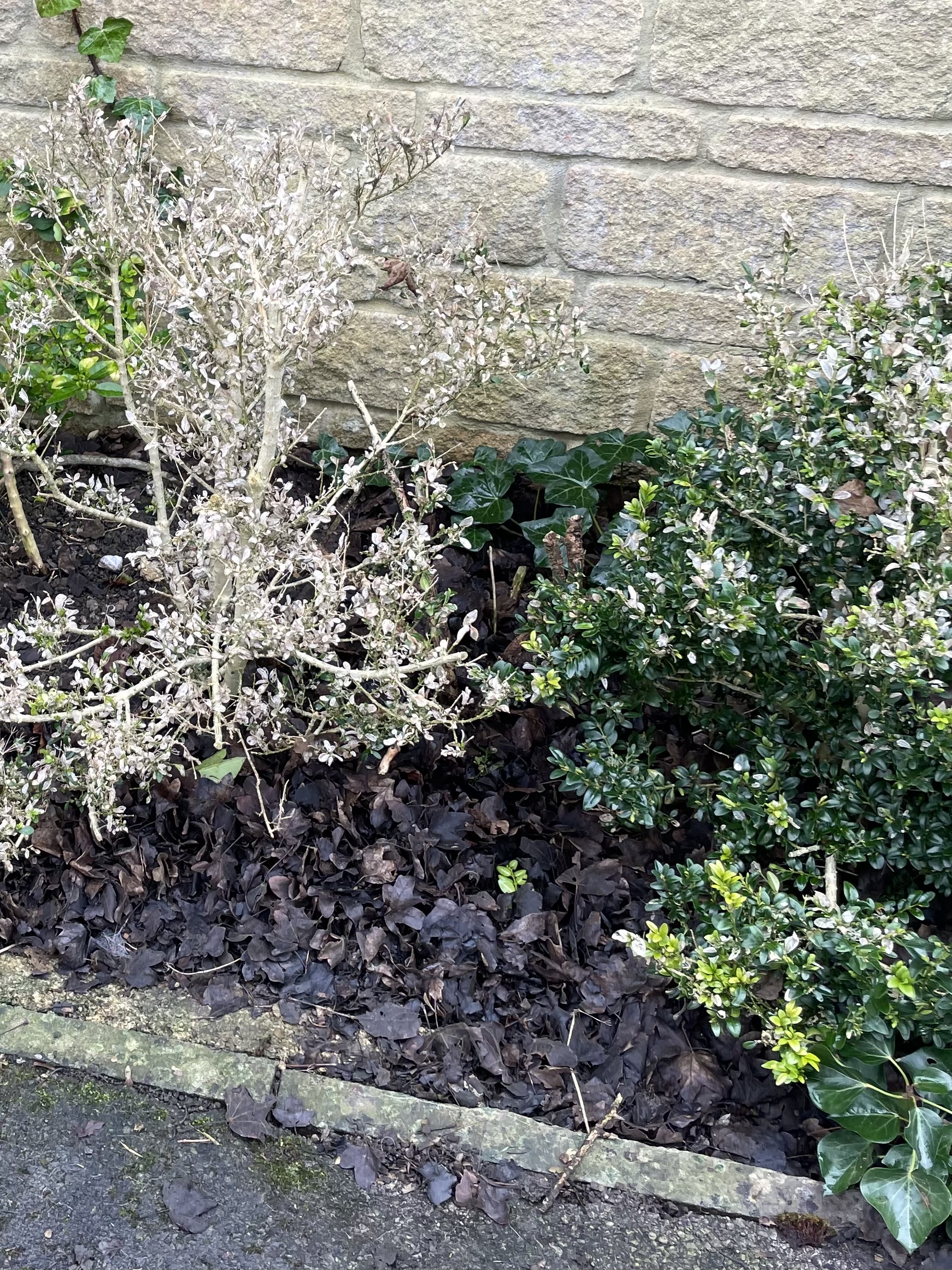
When cutting back or digging out any diseased plants remember to clean down tools. When packing up after your task, remove any debris from tools and clean them with a garden wildlife friendly disinfectant such as Agralan Citrox; follow the guidelines on the rear of the packets for further information. If you use your garden tools in multiple locations such as volunteering, working an allotment or helping a friend or family member, it is especially important to clean down and disinfect before you leave for your own garden space.
With a balanced approach to tidying and good hygiene practices, you will be able to create good foundations for a beautiful, healthy garden in the warmer months to come. In the mean time remember to keep an eye on the weather and ensure delicate plants are protected from late frosts.
Garden tasks
- Keep an eye out for molluscs attacking young shoots of your new seedlings in garden beds,greenhouses and cold frames.
- Plant out onion sets and early potatoes.
- If your lawn needs a mow, wait for a dry day and set the mower deck to the highest setting.
- Prune bush and climbing roses, this will increase air flow around the rose stems and reduce chances of disease and re invigorate growth.
- Plant summer flowering bulbs such as dahlia in pots temporarily to create cuttings at a later date before planting out into your garden beds and pots.
- Clean decking and patios to remove winter algae growth. If you don’t have a pressure washer brush sharp sand with a stiff brush across slippery patches to scarify the growth off.
- Trim autumn fruiting raspberries down to ground level to promote growth.
- Prune Summer and Autumn flowering clematis but leave spring flowering clematis until they have finished flowering.
- Start sowing tomato, pumpkin, and chillies indoors.
- Mulch and fertilise borders to supress weeds and improve your soil nutrients.
Want to know what’s on in Calne? Visit our local events page for listings and to find out how to add your own events for free. Follow us on Facebook, Twitter and Instagram to keep up with all the latest news. Have you got a story for us? Email editor@calnenews.com