

Pet owners are being urged to take extra care during the current hot weather, as animal charities warn that soaring temperatures can quickly become dangerous for dogs, cats and smaller pets.
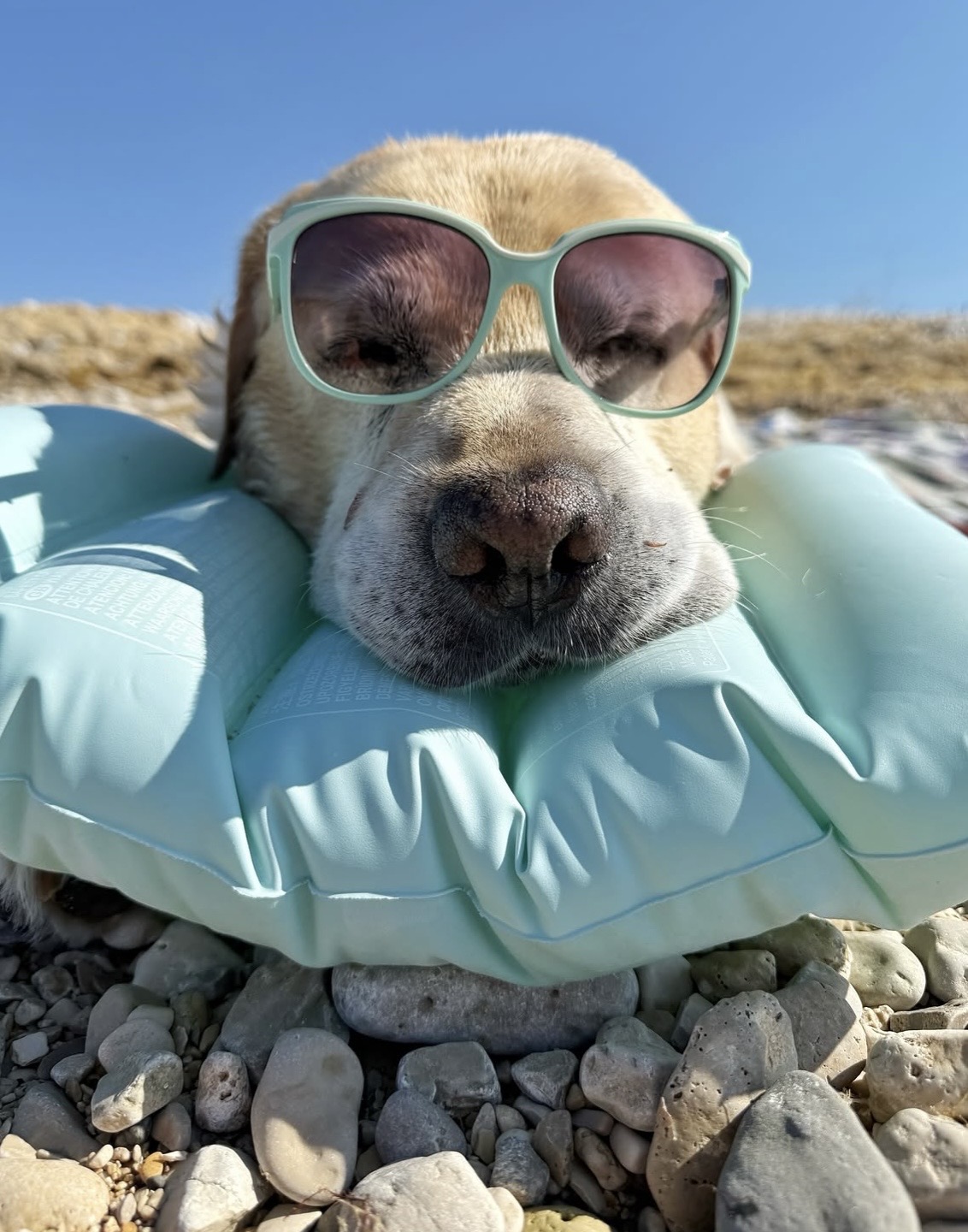 The warning comes as temperatures across parts of the UK have climbed above 30C this week, increasing the risk of heatstroke, dehydration and burnt paws.
Animal welfare charities including RSPCA and Dogs Trust say simple precautions can help keep pets safe during periods of extreme heat.
Owners are being advised to walk dogs early in the morning or later in the evening when temperatures are lower, while avoiding hot pavements during the middle of the day. The RSPCA warns that if a pavement feels too hot to hold the back of your hand on for five seconds, it is too hot for a dog’s paws.
Experts say dogs are far more likely to suffer heat-related illness during exercise than from being left in cars, although leaving animals inside vehicles remains extremely dangerous even for short periods. When temperatures reach 22C outside, the inside of a vehicle can quickly rise to 47C.
Flat-faced breeds such as pugs, French bulldogs and English bulldogs are considered especially vulnerable to overheating, alongside older dogs, overweight pets and animals with existing health conditions.
Pet owners are also being encouraged to make sure animals always have access to fresh water and shaded areas, while frozen treats, cooling mats and damp towels can help pets regulate their body temperature.
The RSPCA said signs of heatstroke can include heavy panting, drooling, vomiting, lethargy and collapse. If a pet appears to be overheating, owners should move them into the shade, offer cool water and contact a vet immediately.
Smaller animals including rabbits and guinea pigs can also struggle during hot weather, with charities advising owners to keep hutches out of direct sunlight and check pets regularly throughout the day.
- Freeze treats inside toys like Kongs or ice cube trays using dog-safe peanut butter, banana or low-salt broth. It keeps pets occupied while cooling them down.
- Put damp towels in the fridge rather than the freezer. Vets often warn that ice-cold towels can constrict blood vessels and make it harder for animals to cool properly.
- Use cooling mats carefully. Some pets avoid them because they feel unfamiliar, so placing a thin sheet over the top can encourage nervous animals to use them.
- Create a “cool room” in the house by closing curtains during the day and opening windows overnight. Pets will naturally gravitate to the coolest area.
- For rabbits and guinea pigs, frozen water bottles wrapped in tea towels can act as safe cooling packs inside hutches.
- Test pavement temperatures with your hand or bare foot before walks. Artificial grass can become even hotter than pavements in direct sun.
- Avoid clipping double-coated dogs too short. Breeds like huskies and golden retrievers actually use their coats to regulate temperature, and shaving them can increase the risk of overheating and sunburn.
- Add extra water bowls around the home and garden. Animals often drink more when water is easy to reach.
- Cats can become dehydrated because many dislike still water. Some owners find pet fountains or adding ice cubes encourages drinking.
- Wetting a dog’s paws, belly and ears is more effective than pouring water over their back, because those areas help release heat faster.
Want to know what’s on in Calne? Visit our local events page for listings and to findout how to add your own events for free. Follow us on Facebook, TikTok, X and Instagram to keep up with all the latest news.Have you got a story for us? Email editor@calneews.com